

SikaBiresin AP077 Styrene-Free Polyester Filler – Formerly Adtech P-77 High-Temp Sandable Fairing Compound
Adtech P-77 — now sold as SikaBiresin AP077 — is a styrene-free, high-temperature, two-component polyester filler and fairing compound formulated for professional composite repair and fabrication. AP077 is catalyzed at 100 parts paste to 2 parts BPO cream hardener by weight, delivers a pot life of 9–11 minutes, and achieves a sandable cure within 15–20 minutes at room temperature. What sets AP077 apart from standard fillers is its ability to withstand service temperatures up to 392°F (200°C), making it appropriate for high-heat composite tooling, automotive composites, and marine applications where conventional fillers would soften or fail. Shore D hardness of 85–88. Bonds to fiberglass, FRP, epoxy, graphite, Kevlar, aluminum, and wood. Styrene-free formula reduces VOC exposure compared to conventional polyester fillers.
Formerly Adtech P-77 (Axson Technologies). Now available as SikaBiresin AP077. Same trusted chemistry, updated branding.
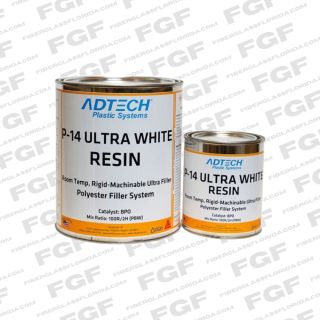
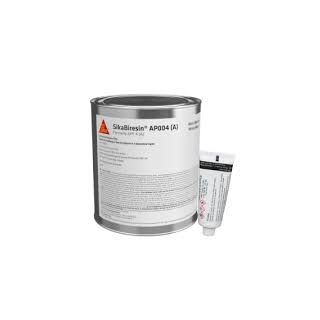

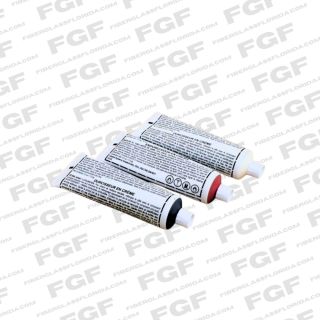
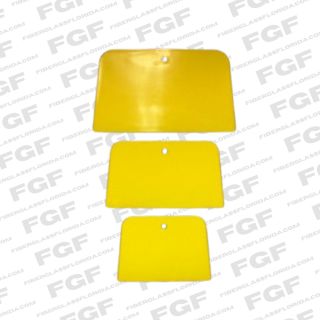
Adtech P-77 / SikaBiresin AP077 — High-Temperature Polyester Filler & Fairing Compound
Adtech P-77 is now SikaBiresin AP077. Following Sika's acquisition of Axson Technologies (the original manufacturer of the Adtech product line), Adtech P-77 was rebranded as SikaBiresin AP077. The chemistry, mix ratio, performance profile, and application procedure are unchanged. If your repair or production process was built around Adtech P-77, you can transition to SikaBiresin AP077 without modification.
What Makes AP077 Different from Standard Fillers?
Most polyester fillers are not formulated for elevated-temperature environments. SikaBiresin AP077 (formerly Adtech P-77) is specifically engineered to remain dimensionally stable at service temperatures up to 200°C / 392°F. This makes it the correct choice when the repair or part will be exposed to heat during post-cure cycles, autoclave processing, or high-temperature service conditions. Additionally, AP077 is styrene-free, reducing occupational exposure and improving the working environment compared to conventional styrene-containing polyester fillers.
Physical and Mechanical Properties
- Composition: Styrene-free polyester
- Mix ratio: 100 parts paste to 2 parts BPO cream hardener, by weight
- Pot life @ 25°C (102g mass): 9–11 minutes
- Vertical sag: less than 0.05 inches (non-sagging paste)
- Specific gravity: 1.59 g/cc (mixed: 1.58 g/cc)
- Shore D hardness: 85–88 (ASTM D-2240)
- Water absorption — 24 hr soak: 0.08% (ASTM D-570)
- Maximum service temperature: 200°C / 392°F
- Shelf life — resin: 12 months at 65–77°F in original container
- Shelf life — BPO hardener: 18 months at 65–77°F in original container
Adhesive Pull Strength (ASTM D-4541)
- Polyester filler substrate: 400 psi
- Mahogany: 540 psi
- Epoxy glass laminate: 430 psi
Compatible Substrates
AP077 bonds effectively to fiberglass, SMC, FRP panels, epoxy composites, graphite/carbon fiber, Kevlar, aluminum, and wood. It is also suitable for filling cloth print-through on composite panels and edge-filling on honeycomb structures.
Typical Applications
- Gel coat blister repair (above and below waterline)
- Marine fiberglass part repair
- Filling cloth imprint on FRP and composite panels
- Edge filling on honeycomb and sandwich panels
- High-temperature tooling and mold repair
- Automotive composite repair where post-cure or oven baking is used
- Applications where a styrene-free alternative to conventional polyester filler is required
Application Instructions
- Clean the repair area thoroughly. Remove all contaminants, wax, grease, and loose material. Sand to create a bonding profile. Clean again and allow to dry completely.
- Stir the AP077 paste thoroughly before dispensing. Polyester filler can settle during storage — full re-homogenization is required before use.
- Dispense the required amount of paste and BPO cream hardener onto a clean, dry, disposable mixing surface.
- Mix at 100 parts paste to 2 parts hardener by weight. A golf ball-size amount of paste to a 2-inch strip of cream hardener is a practical field guide.
- Blend thoroughly for 1 to 1.5 minutes, scraping all surfaces of the mixing board to ensure uniform catalyst distribution.
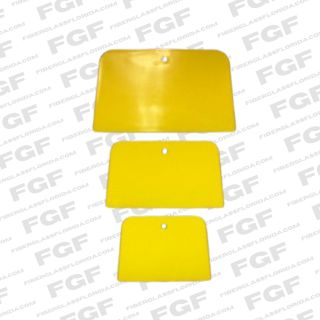
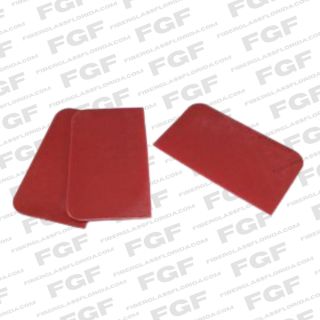
- Apply mixed AP077 to the prepared surface using a squeegee, spatula, or flat tool. Work the material into the repair area to minimize air entrapment.
- Allow to cure to a tack-free state (approximately 15–20 minutes at room temperature). Sand, file, or machine to final contour.
- Apply topcoat, primer, or gelcoat as required for the finishing system.
AP077 vs. P-14 Ultra Filler — Which Do You Need?
SikaBiresin AP077 (formerly Adtech P-77) is the correct choice when the repaired surface or part will be exposed to elevated temperatures, when a styrene-free formula is required, or when working on high-performance composite tooling. Its longer pot life of 9–11 minutes also gives applicators more working time on larger repairs compared to P-14's 5-minute window.
SikaBiresin Ultra Filler (formerly Adtech P-14) is a better fit for standard marine fiberglass repair, production line filling, and applications where the fastest possible turnaround from mix to sand is the priority.
Styrene-Free Advantage
Conventional polyester fillers contain styrene as a reactive diluent, which contributes to strong odor and occupational inhalation concerns. AP077's styrene-free formulation significantly reduces these exposures, making it more appropriate for enclosed spaces, indoor fabrication shops, and environments with limited ventilation. Always maintain adequate ventilation regardless of filler type, and wear appropriate PPE including gloves and eye protection.
Frequently Asked Questions
What is SikaBiresin polyester filler used for?
SikaBiresin polyester filler is used for filling, fairing, sanding, and repair work on fiberglass, FRP composites, molds, patterns, panels, and marine repair surfaces.
Is this the same as the old Adtech P-series putty?
Yes. These products are now sold under the SikaBiresin name, with legacy references such as Adtech P-14, P-17, or P-77 included to help customers identify the correct replacement product.
Can this be used for fiberglass boat repair?
Yes. Depending on the specific product, SikaBiresin polyester fillers can be used for fiberglass repair, FRP composite repair, mold repair, fairing, gelcoat repair preparation, and marine service work.
Does Fiberglass Florida carry SikaBiresin fillers?
Fiberglass Florida supplies marine repair materials, composite products, fiberglass fillers, resins, gelcoats, abrasives, and repair supplies for boatyards, fiberglass shops, and marine technicians in Florida, the Caribbean, and coastal markets.
SikaBiresin AP077 is stocked by Fiberglass Florida. Questions about the Adtech-to-Sika transition or about choosing the right filler for your application? Call us at 321-639-3046 or visit fiberglassflorida.com.
| Manufacturer | Ad Tech Plastics |
|---|
Downloads
Default Category
-
 ADTECH 77 SDS.pdf Size: (165.27 KB) Downloads: 3
 - _productattachments_files_downloads_tds_adtech_p-77.pdf Size: (229.37 KB) Downloads: 4
Validate your login