
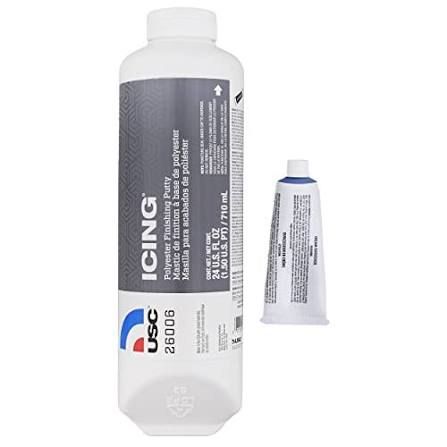
USC ICING 26006 Polyester Finishing Putty - 24 fl oz
USC ICING 26006 is a smooth, self-leveling polyester finishing putty for filling pinholes, sand scratches, chips and other minor surface imperfections up to 1/8 inch deep. The creamy off-white putty spreads easily, cures tack-free and stain-free, and sands to an ultra-smooth finish in approximately 15 minutes at 77°F.
- Size: 24 fl oz tube
- Included: Blue BPO cream hardener
- Mix ratio: 2% hardener by weight, or 50:1
- Approved substrates: Steel, aluminum, fiberglass, body filler, wood, 2K primer, sanded OEM finishes, galvanized steel and cosmetic SMC repairs
For professional use. This is a finishing putty for minor imperfections, not a structural repair filler.
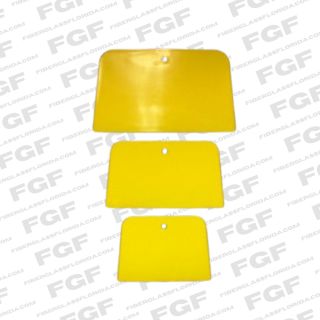

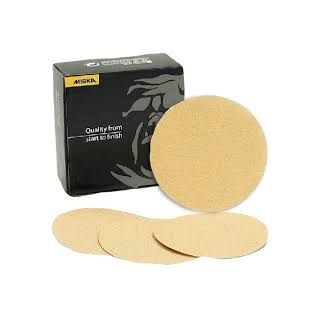
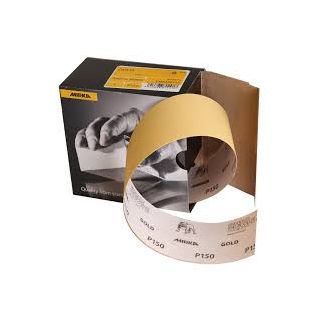

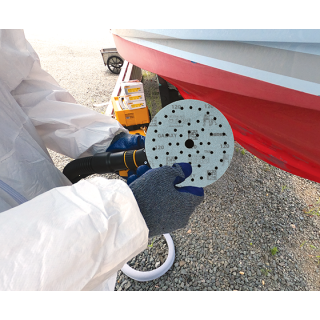


Ultra-Smooth Finishing Putty for Pinholes and Minor Imperfections
USC ICING 26006 is a pourable, brushable polyester finishing putty made for the final stages of surface preparation. Its creamy, self-leveling formula spreads smoothly over properly prepared surfaces and body filler, filling pinholes, sand scratches, chips and shallow imperfections before primer and paint.
ICING cures to a tack-free and stain-free surface that is exceptionally easy to sand. Use it as a thin finishing coat where a smoother surface is needed before applying polyester, 2K urethane or 1K primer.
This package includes one 24 fl oz tube of USC ICING and the required blue benzoyl-peroxide cream hardener.
Why Choose USC ICING?
- Smooth, self-leveling application: The creamy consistency spreads easily and helps reduce application marks.
- Fills fine defects: Designed for pinholes, chips, sand scratches and other minor surface imperfections.
- Excellent finishing layer: Ideal as the final skim coat over properly cured body filler.
- Fast sanding: Typically ready to sand in approximately 15 minutes at 77°F.
- Tack-free and stain-free: Supports clean finishing and compatible primer application.
- Multiple compatible substrates: Adheres to properly prepared metal, aluminum, fiberglass, wood, body filler, primers and cured finishes.
- Hardener included: Supplied with the blue BPO cream hardener required for cure.
Package Contents
| USC ICING finishing putty | One 24 fl oz tube |
|---|---|
| Hardener | Blue BPO cream hardener included |
| Manufacturer part number | 26006 |
Recommended Uses
Use USC ICING for minor body work and surface imperfections no deeper than 1/8 inch after sanding. Typical repairs include:
- Pinholes in body filler or fiberglass repairs
- Sand scratches and shallow sanding marks
- Small chips and surface scratches
- Minor low spots and cosmetic imperfections
- A final finishing coat over fully cured body filler
ICING is not a structural filler. Deep damage, flexible-plastic repairs and structural SMC repairs require a product designed for those applications.
Compatible Substrates
- Steel and other properly prepared metal
- Aluminum
- Fiberglass
- Fully cured body filler
- Wood
- 2K primers
- Aged and sanded OEM topcoats
- Galvanized and other zinc-coated steel
- SMC for cosmetic repairs only
For structural SMC repairs exposed to high stress or flexibility, use an approved SMC repair system. For flexible plastic, use a flexible-plastic repair product such as USC PRO-FLEX 26037.
Mixing Instructions
- Bring the ICING putty and included blue BPO hardener to room temperature. The minimum recommended material temperature is 68°F.
- Knead the hardener tube before dispensing.
- Place the required amount of putty on a clean, non-absorbent mixing board.
- Add blue BPO hardener at 2% by weight, which is a 50:1 putty-to-hardener ratio.
- For a visual estimate, place an edge-to-edge ribbon of hardener across the center of a putty puddle approximately 4 inches in diameter. Larger batches require proportionally more hardener.
- Mix thoroughly with a plastic spreader using a folding motion until the mixture has a uniform color with no streaks.
- Apply immediately. Approximate setting time is 3-5 minutes at 68°F.
Surface Preparation and Application
- Clean the surface. Remove dirt, oil, grease, silicone and wax using a suitable surface cleaner.
- Dry completely. Do not apply putty over a damp or contaminated surface.
- Create mechanical adhesion. Featheredge the repair with 80-180 grit abrasive.
- Apply a thin layer. Use a plastic spreader and firm pressure to maximize contact with the prepared substrate.
- Build only as needed. Sand a cured layer before applying an additional layer. Do not exceed a final sanded thickness of 1/8 inch.
- Do not apply over fresh or uncured coatings.
Sanding and Topcoating
At 77°F, USC lists a typical sanding time of approximately 15 minutes. When the material is fully hardened, begin sanding with 100-180 grit abrasive. Follow with 220-400 grit as needed to refine the surface for the selected primer system.
USC ICING may be topcoated with polyester primer, 2K urethane primer or 1K primer. Always follow the primer or paint manufacturer's preparation, film-build and recoat instructions.
Technical Information
| Appearance as packaged | Off-white |
|---|---|
| Resin type | Polyester |
| Catalyst | Blue benzoyl-peroxide cream hardener, included |
| Mix ratio | 2% hardener by weight / 50:1 putty-to-hardener |
| Approximate setting time at 68°F | 3-5 minutes |
| Gel time at 77°F | 4-5 minutes |
| Tack-free time | 10-15 minutes |
| Sanding time at 77°F | Approximately 15 minutes |
| Maximum sanded thickness | 1/8 inch |
| Typical viscosity at 77°F | 18,000 cps |
| Typical density | 9.5 lb per gallon |
| Shore D hardness at 24 hours | 55-60 |
| Maximum heat exposure | 200°F for 30 minutes |
Times and physical properties are manufacturer reference values. Temperature, batch size, hardener amount and application conditions affect working and cure times.
Frequently Asked Questions
Does USC ICING 26006 include hardener?
Yes. This 24 fl oz package includes the required blue benzoyl-peroxide cream hardener.
What is the mix ratio for USC ICING?
Mix ICING with the included blue BPO hardener at 2% hardener by weight, or a 50:1 putty-to-hardener ratio. Mix until the color is completely uniform and streak-free.
How thick can USC ICING be applied?
USC lists a maximum finished and sanded thickness of 1/8 inch. ICING is intended for pinholes, scratches, chips and other shallow cosmetic imperfections, not deep or structural repairs.
Can USC ICING be used on fiberglass?
Yes. Fiberglass is an approved substrate when it is properly sanded, clean, dry and free of wax, grease and other contamination.
How long does USC ICING take to sand?
At 77°F, the typical sanding time is approximately 15 minutes. Cooler conditions or incorrect hardener ratios can extend the cure.
Can USC ICING be applied over body filler?
Yes. ICING is designed to work as a finishing coat over fully cured and properly sanded body filler. Do not apply it over fresh or uncured material.
Which primers can be applied over USC ICING?
USC states that ICING may be topcoated with polyester, 2K urethane or 1K primer. Follow the primer manufacturer's application instructions.
Can USC ICING be used for structural fiberglass or SMC repairs?
No. ICING is a cosmetic finishing putty. It may be used for cosmetic SMC repairs, but structural or highly flexible repairs require a dedicated repair product.
Downloads
Default Category
-
 Usc 26006 SDS Size: ( BYTE) Downloads: 23
 - Usc 26006 TDS Size: ( BYTE) Downloads: 18
Please complete your information below to login.
Sign In
Create New Account