
Awlgrip Surface Preparation Guide
Proper surface preparation is the most important step in any Awlgrip paint system. Different substrates require specific cleaning procedures, sanding profiles, and primer systems to achieve proper adhesion and long-term durability.
Which Surface Prep Guide Do I Need?
New Fiberglass Hull
Mold release and wax removal, plus 80–180 grit profile. Fiberglass Guide →
Existing Gelcoat
Degrease, abrade gloss, prevent fisheye. Gelcoat Guide →
Repaint Over Old Awlgrip
Compatibility check, adhesion test, sand to profile. Repaint Guide →
Bare Aluminum
Degrease, sand, etch with Wash Primer + Max Cor CF. Aluminum Guide →
Steel Substrate
Remove rust and mill scale, blast or aggressive sand. Steel Guide →
Fairing & Repair Areas
Block-sand fairing compound, seal before primer. Fairing Guide →
Why Surface Preparation Determines Awlgrip Finish Life
Surface preparation is the single largest variable in Awlgrip system performance. A correctly applied Awlgrip topcoat over a poorly prepared substrate will fail — regardless of the topcoat product chosen, the converter used, or the spray technique. Most adhesion failures, fisheye defects, and premature gloss loss trace back to one of three preparation errors: incomplete contamination removal, incorrect sanding profile, or skipped solvent wipe.
At Fiberglass Florida we ship the full Awlgrip prep system — Awlprep Plus T0115 surface cleaner, T0008 surface dewaxer, abrasives in every grit, and the substrate-correct primers — statewide from Brevard County. This guide breaks down what proper preparation looks like for each of the six substrates we see in real refit and OEM work.
The Three Universal Steps
Every substrate follows the same three-stage logic, even though the specific products and grits vary:
- Decontaminate — Remove wax, mold release, oil, salt, oxidation, or old coating residue. This is done with an Awlgrip-approved degreaser before any sanding, never after.
- Profile — Sand to the grit specified for that substrate and primer. Too coarse leaves visible scratches in the topcoat. Too fine fails to give the primer mechanical bite.
- Solvent wipe — Use the two-cloth method with Awlprep Plus T0115: one cloth wets the surface, the second cloth lifts the dissolved contamination off before the solvent flashes. Single-cloth wiping re-deposits contamination as the solvent evaporates.
Surface Preparation Guides by Substrate
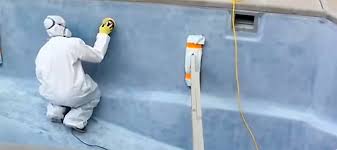
Fiberglass Surface Preparation
Fiberglass substrates require thorough cleaning and sanding to remove mold release agents, wax contamination, and oxidation. Proper sanding profiles ensure strong adhesion for epoxy primers like Awlgrip 545.
View Fiberglass Guide →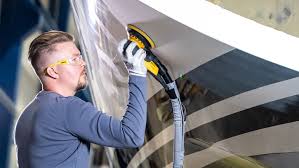
Gelcoat Surface Preparation
Gelcoat surfaces must be degreased and sanded to remove gloss and provide mechanical adhesion. Proper preparation prevents fisheyes, adhesion loss, and coating failures in Awlgrip topcoat systems.
View Gelcoat Guide →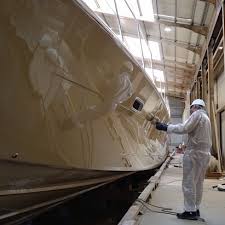
Previously Painted Surfaces
Existing paint systems must be inspected for compatibility, adhesion, and stability before recoating. Loose coatings should be removed and sound surfaces sanded to the proper profile before primer application.
View Repaint Guide →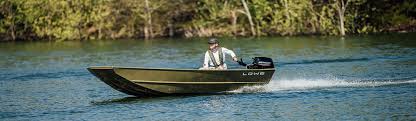
Aluminum Surface Preparation
Aluminum surfaces must be thoroughly degreased, sanded, and treated with appropriate primers to prevent corrosion. Epoxy primer systems are essential for long-term coating performance.
View Aluminum Guide →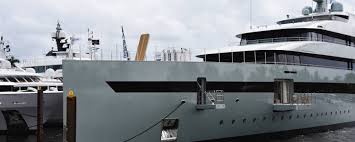
Steel Surface Preparation
Steel substrates require aggressive cleaning and sanding to remove rust, mill scale, and contamination. Proper surface preparation ensures corrosion protection and strong primer adhesion.
View Steel Guide →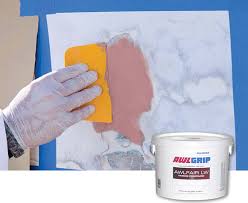
Fairing & Repairs
Fairing compounds and repaired areas must be sanded and sealed properly before primer application. Correct surface preparation ensures a smooth topcoat finish and prevents print-through.
View Fairing Guide →Surface Preparation Quick Reference by Substrate
Side-by-side reference for cleaning, sanding, primer, and special considerations across the six substrates most commonly painted with Awlgrip. Use this table to confirm the prep sequence; click into the substrate guide for full step-by-step procedures.
| Substrate | Decontamination | Sanding Profile | Solvent Wipe | First Primer | Special Considerations |
|---|---|---|---|---|---|
| New Fiberglass | Awlprep T0008 dewaxer to remove mold release | 80–180 grit, blocked uniform tooth | Two-cloth, T0115 | 545 Epoxy Primer | Fully cure laminate before painting; mold release migration is the #1 cause of fisheye on new builds |
| Gelcoat | T0115 surface cleaner, then T0008 if waxed | 180–220 grit to fully kill the gloss | Two-cloth, T0115 | 545 Epoxy Primer | Verify adhesion on chalky or oxidized gelcoat; deep oxidation may require more aggressive prep or removal |
| Previously Painted (Awlgrip) | Detergent wash, then T0115 wipe | 320–400 grit scuff over sound coatings | Two-cloth, T0115 | 545 (or High Build if filling required) | Adhesion test on small area before full prep; sand through and re-prime any failed sections |
| Bare Aluminum | Alkaline degrease, fresh-water rinse, dry | 80–120 grit aluminum oxide profile | Two-cloth, T0115 | Wash Primer (D6600) → Max Cor CF | Prime within 4–8 hours of sanding to prevent oxide regrowth; never use steel-contaminated abrasives |
| Steel | Solvent degrease, then SSPC-SP6 commercial blast preferred | 2–3 mil anchor profile (blast) or 60–80 grit (mechanical) | Two-cloth, T0115 | Max Cor CF or Hullgard Extra | Prime same day before flash rust forms; fully remove all mill scale and rust scale |
| Fairing Compound (Awlfair LW) | Tack rag dust removal after block-sanding | 180 grit final block; no scratches deeper than primer can fill | Two-cloth, T0115 | High Build or Ultra Build over 545 | Allow full fairing cure per TDS before sanding; do not seal damp or partially cured fairing |
Confirm against the current Awlgrip Technical Data Sheet (TDS) for the specific product, batch, and substrate before application. Profile and recoat windows shift with temperature, humidity, and substrate condition.
What to Buy for Each Surface Prep Job
Fiberglass & Gelcoat Prep Kit
Cleaner: Awlprep Plus T0115
Dewaxer: Awlprep T0008 (new fiberglass)
Abrasives: 80–180 grit film discs
Primer to follow: 545 Epoxy Primer
Aluminum Prep Kit
Cleaner: Alkaline degrease + T0115
Abrasives: 80–120 grit aluminum oxide
Etch: Wash Primer (D6600)
Primer to follow: Max Cor CF → 545
Steel Prep Kit
Cleaner: Solvent degrease + T0115
Profile: Blast to 2–3 mil anchor (preferred)
Primer to follow: Max Cor CF or Hullgard Extra
Then: 545 before topcoat
Repaint Prep Kit
Cleaner: Mild detergent wash + T0115
Abrasives: 320–400 grit film discs
Primer to follow: 545 (sound paint)
If filling needed: High Build first
Fairing & Repair Kit
Fairing compound: Awlfair LW (D8200/D7200)
Block sand: 80 → 120 → 180 grit
First primer: Hullgard Extra (if pre-fair)
After fair: High Build → 545
Solvent Wipe Essentials
Universal cleaner: Awlprep Plus T0115
Method: Two-cloth wet/dry wipe
Lint-free cloths: Tack rags + wipe rags
Used on every substrate before primer or topcoat
Common Surface Preparation Questions
Why is the two-cloth solvent wipe method important?
What grit do I sand fiberglass to before applying Awlgrip 545?
Do I need to remove gelcoat before applying Awlgrip?
How do I prep bare aluminum for Awlgrip?
Can I sand and prime the same day in Florida humidity?
How do I check adhesion of an existing paint job before recoating?
What is the difference between Awlprep T0115 and T0008?
Where can I buy Awlgrip surface prep products in Florida?
Need Help Speccing Your Surface Prep?
Tell us your substrate and finish goal — our technical team will spec the full prep + primer + topcoat package and ship same-day from Florida on in-stock items.
Shop Awlgrip Products →
Validate your login